
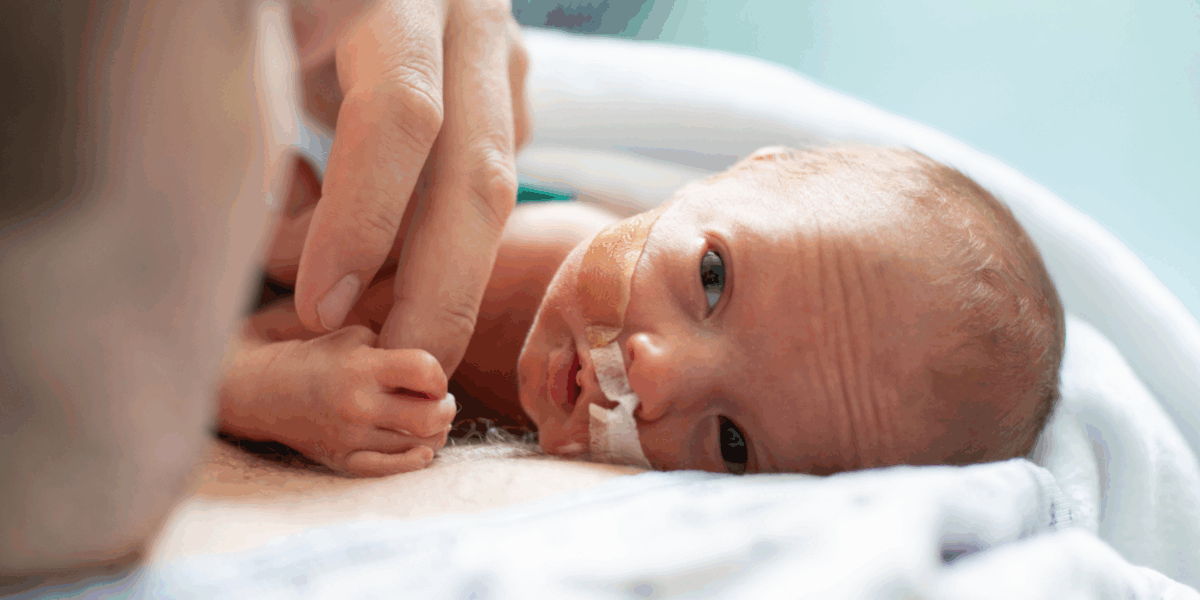
We hear stories in the news and across social media of babies born very early, “preemies” — at 24 weeks, 25 weeks, sometimes even 22 or 23 weeks — who defy the odds, cling to life, and become celebrated as “miracles.” Families rally around them, hospitals pull out every stop, and entire communities cheer them on.
But at the very same stage of pregnancy, other babies are being aborted. The same size, the same heartbeat, the same developing fingers and toes — yet the outcome is entirely different. One baby is fought for; the other is ended. Society looks at these two children, and calls one a miracle…and the other a choice. It’s hard not to wonder: where is the logic in that?
The Overlap Between Prematurity and Abortion
Medical science tells us that babies can now survive as early as 22 or 23 weeks—a little over five months into pregnancy. By 24 weeks, more than half of babies born prematurely can live with medical support. Medical specialists use the term “periviable birth” to refer to babies born around the threshold of viability — typically between 22 and 25 weeks of gestation. These are the same gestational ages when abortion remains legal in many states, such as Alaska, Colorado, New Mexico, and Vermont.
While most abortions in the U.S. happen early in pregnancy, a small percentage occur after 20 weeks — precisely the time when many premature babies are being delivered and cared for in neonatal intensive care units. The overlap is undeniable.

When a baby is born prematurely, we recognize the humanity in that child. We fight for every breath and every heartbeat. Yet when that same child is still in the womb, our society often denies that same recognition.
The Logical Question
If we believe a 24-week-old baby outside the womb deserves every chance at life, shouldn’t that same logic apply to a baby of the same age inside the womb? The location doesn’t change what the baby is — only how we choose to see them.
Where is the logic in treating two human lives differently purely because of the place (inside or outside the womb) or the choice/ context? If we believe in the worth of preemies, why do we not equally recognize the unborn baby at that same developmental stage?
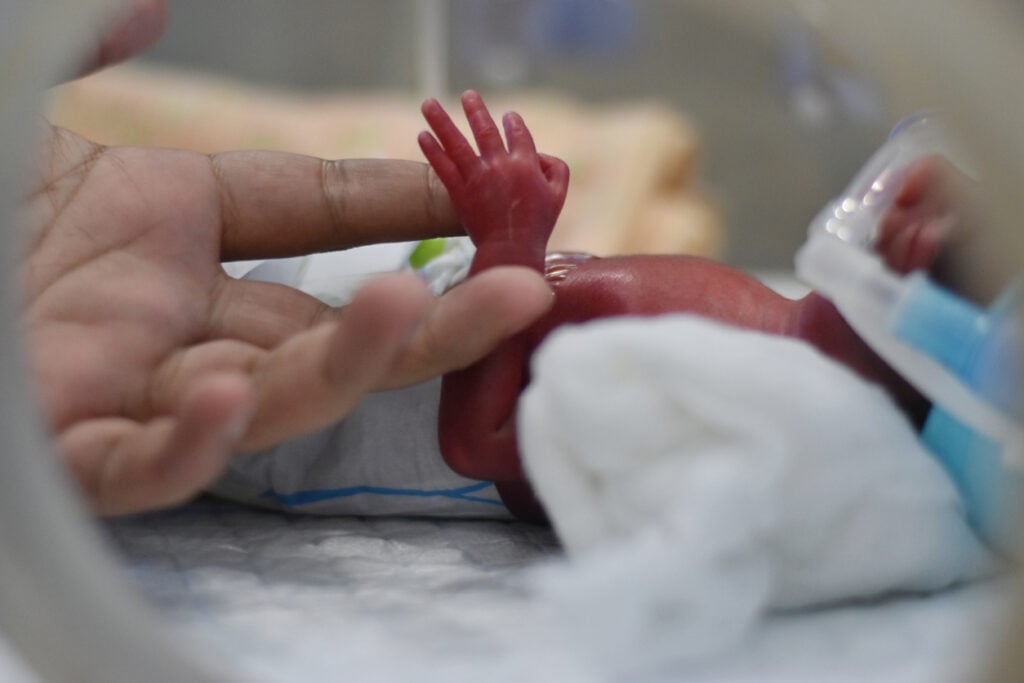
The contradiction is striking: we celebrate one life while overlooking another at the same stage of development. It’s not a matter of politics or opinion — it’s a matter of consistency in how we value human life.
A Compassionate Response
These questions are not meant to shame or condemn. Many women face deep fear, uncertainty, or pressure when confronted with an unplanned pregnancy. But when we look honestly at the science, and at the stories of both preemies and the unborn, we’re reminded that life at every stage has intrinsic value.
Compassion means offering better solutions — practical, emotional, and spiritual — so no woman feels abortion is her only option. It means recognizing the worth of every baby, whether in an incubator or in the womb.

Here’s What We Can Do:
- Encourage education: Help people understand what survival and viability mean for preemies and how that overlaps with late abortions.
- Support women: Many terminations happen because women feel they have no alternatives. By offering real, supportive options (counseling, material help, medical care) we can make a difference.
- Have respectful conversations: Even in polarized debates, acknowledging the life and potential of the smallest unborn children opens hearts and minds.
- Celebrate life: When we see a premature baby beat the odds, let’s remember that same courage, that same life-value applies to unborn babies too.
Also read: What’s A PRC? A Guide to Pregnancy Resource Centers
Every Life Deserves the Chance to Be a Miracle
The miracles of premature birth remind us how precious every life is, how tiny a margin between non-viability and possibility. If we believe those tiny lives are worth every effort, then we must also see the worth of the unborn child at that same stage.
Our hearts know the truth: both are precious. Both are human. Both deserve to live. The logic of compassion is simple: every life, at every age and every place, deserves the chance to be protected and loved.
At Save the Storks, we believe that consistency — and compassion — are how we truly honor the miracle of life.
Read next: What is a Late-Term Abortion?
Want to help more women choose life? Donate today!