
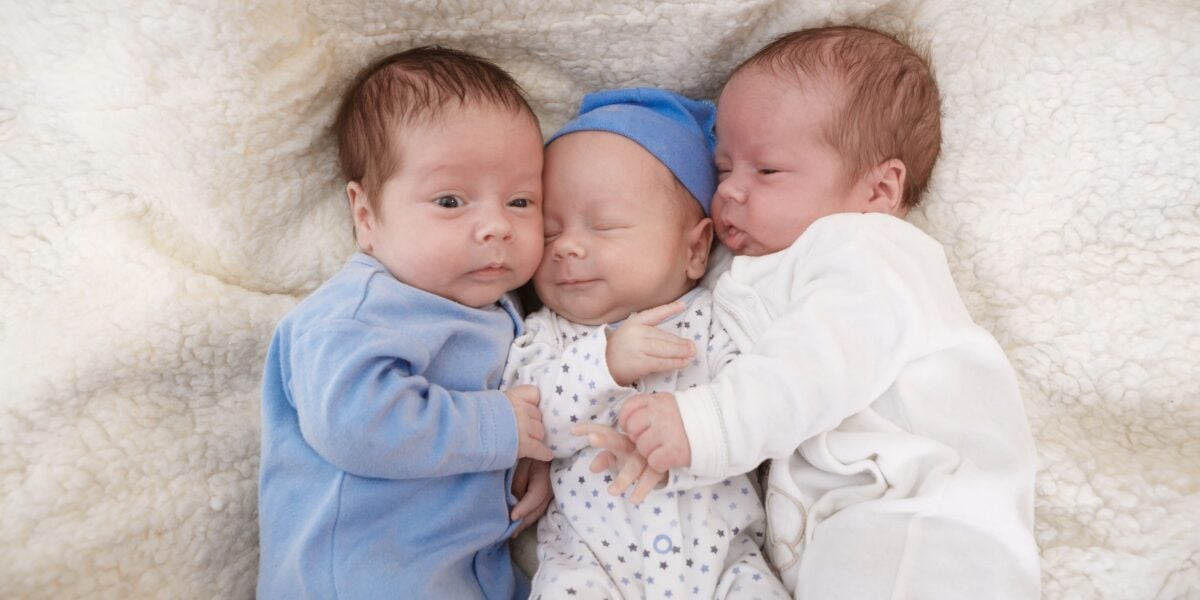
Juanita sat in the quiet room at our partner’s pregnancy resource center. She was trying to steady her breathing as the doctor explained what she saw on the ultrasound screen. Not one, not two, but three babies.
An Ultrasound That Changed Everything
Triplets.
The word echoed in her mind. The reality of carrying three children was beautiful, overwhelming, and a little bit terrifying all at once. Juanita left the Pregnancy Resource Center that day still feeling a mix of emotions. She told the staff she would come back in a couple of weeks.
In the weeks that followed, Juanita felt pressure from multiple directions. Some medical professionals emphasized statistics of multifetal pregnancies and the potential complications that could arise.
Her friends and even family members questioned whether carrying three babies was wise or safe for Juanita. Each conversation she had seemed to carry the same underlying message: choosing selective reduction, choosing to abort one of her babies, was the responsible, practical decision.
The Pressure of Selective Reduction
Selective termination, also known as multifetal pregnancy reduction, is an abortion usually performed between 11 and 14 weeks that reduces the number of babies in a multiple pregnancy (triplets or more) from triplets to twins or a single child. This procedure is often recommended by doctors to decrease the risk of premature birth, miscarriage, and other complications. It is meant to improve the survival chances of the remaining babies and protect the health of the mother.
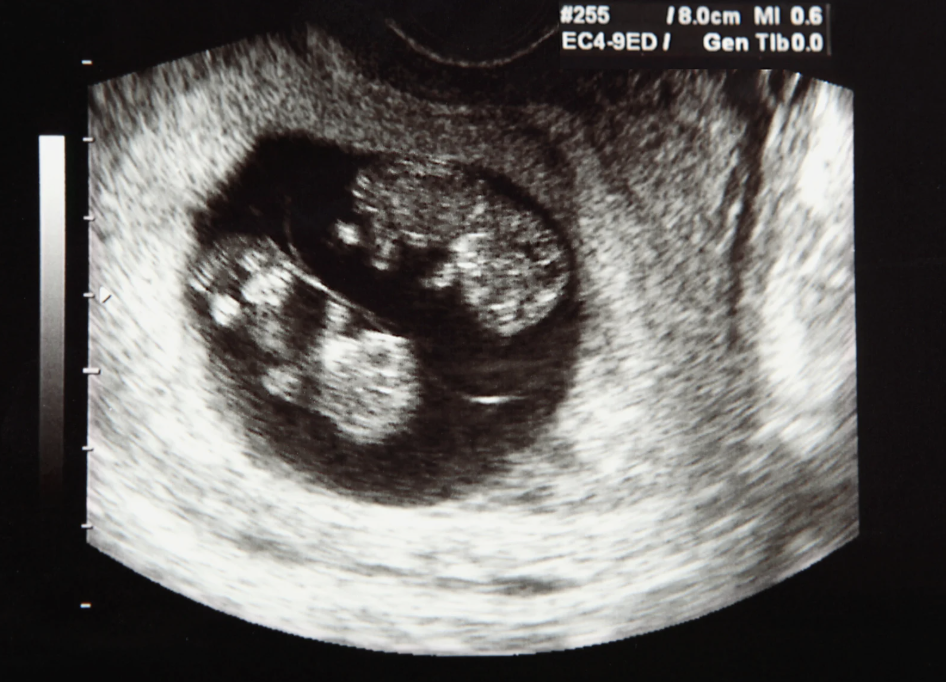
The reality is that selective termination means a mother must choose between her children, targeting the sibling deemed weakest or less viable.
In the pro-life movement, we believe that each of these children has inherent value and that the deliberate termination of one is unethical and unnecessary. Unfortunately, many mothers facing multiple pregnancies today are offered this choice as a solution to a pregnancy that, with proper care and intervention, could thrive.
A Place to Process Without Pressure
Weeks later, Juanita returned to our partner clinic, where she had space to process, to ask questions, and to be heard without pressure.
The staff provided education about her pregnancy, discussed the risks honestly, and offered emotional support as she worked through her fears. They did not decide for her, but they walked alongside her, helping her feel less alone.
Read Next: Danielle’s Story: Choosing Life for Her Twins
Three Heartbeats, Three Lives
Juanita left our partner clinic, feeling supported, but still wrestling with the decision. She had so much fear. Fear of complications. Fear of the unknown. But as each day passed, she gained more clarity.
She began to see her situation not just through the lens of risk, but through her own deeply held values.
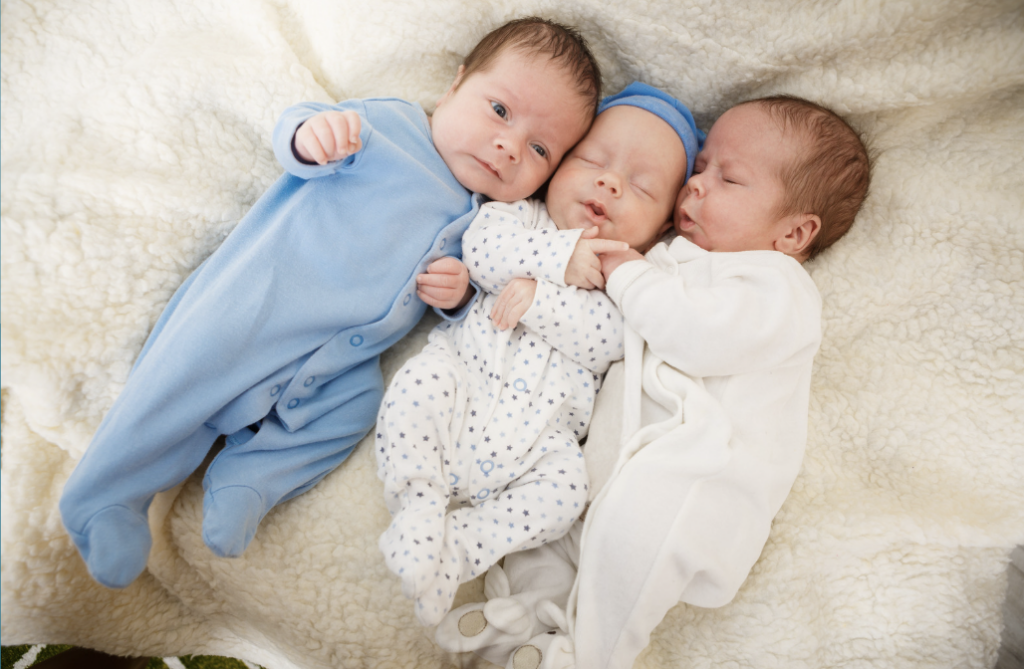
She saw three lives; her three children were not a problem to be managed.
At her next appointment, when the topic arose again, Juanita spoke with quiet confidence. She declined selective reduction. It was not an easy decision, and she accepted the risks involved. But it was hers.
Choosing Life with Support
Today, Juanita continues receiving support through our partner clinic as she prepares to welcome her three babies. While the road ahead still comes with challenges and unknowns, she is no longer walking it alone.
Our partner clinic is already helping coordinate practical support for when the babies arrive, including a team from a local church ready to step in with meals, encouragement, and hands-on help for Juanita and her growing family.
This is the power of compassionate care. When women are surrounded with support instead of pressure, hope becomes possible.
Help Women Choose Life
At Save the Storks, we believe no woman should feel forced to choose between her babies and her future. Your generosity helps make stories like Juanita’s possible.

When you give today, you help provide women facing unplanned pregnancies with the compassionate care, practical support, and hope they need to choose life.